Careers
Build software that understands physical places.
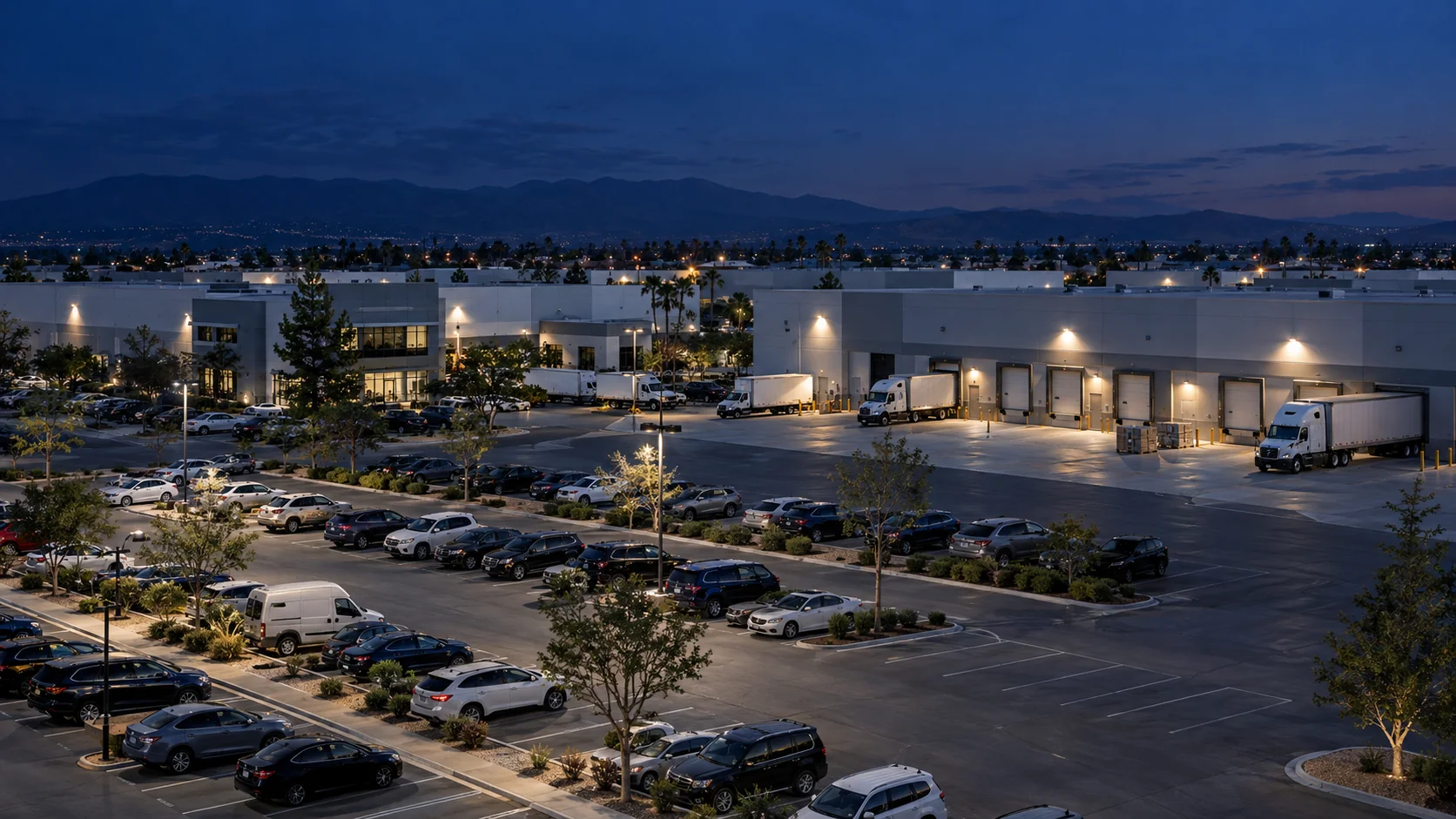
ParkSense brings computer vision, edge systems and careful product design to vehicle lots and commercial parking. The work spans code, equipment and real sites, and it is judged by whether it helps the people who run them.
How we work
Close to the lot, and to the people on it.
ParkSense is built by people who are as comfortable on a site walk as in a code review. A few habits keep that work honest.
-
01
Go to the site
Lots are physical, changeable places. We value hands-on site observation in the morning rush, after dark and in bad weather, because that is where a product proves itself.
-
02
Design for the operator
The person at the sales desk or in the security office is the user. We build around their questions, their vocabulary and the minute they have to act.
-
03
Small teams, whole problems
We value engineers, designers and field specialists working on one problem together, from the first sketch to on-site configuration.
-
04
Write it down
We value clear written decisions, site plans and data agreements, so anyone can pick up the thread and customers can see what was agreed.
Disciplines we value
Five crafts, one product.
Each discipline owns a different part of the picture. The product is good only when all five meet on the same lot.
-
01
Computer vision
Detecting and following vehicles across wide outdoor scenes, through glare, rain, night lighting and occlusion, and turning what the camera sees into states a person can trust.
- Detection and tracking
- Camera calibration
- Low-light scenes
- Evaluation
-
02
Edge and embedded systems
Dependable software on equipment that lives outdoors or in a utility closet: packaging, updates, monitoring and graceful recovery when power or network misbehave.
- Linux systems
- Device fleets
- Networking
- Observability
-
03
Product design and frontend
Operator tools that make a busy lot understandable at a glance: search, zone maps, review queues and the small details that make them quick to use under pressure.
- Interaction design
- Data-dense interfaces
- Accessibility
- Frontend engineering
-
04
Field operations and deployment
Site walks, coverage plans, installation coordination and commissioning: the craft of taking a site from a first conversation to a working configuration.
- Site surveys
- Coverage planning
- Installation
- Commissioning
-
05
Customer success
Helping teams adopt the product day to day, learning how each site really works and bringing what we learn back into the product and its configuration.
- Onboarding
- Training
- Configuration reviews
- Feedback loops
What we look for
Craft, judgment and care.
Titles and years matter less than how you think and what you have built. These are the qualities we notice first.
-
01
Care for the people who use your work.
You notice the person on the other end of the screen, and you design, build or deploy with their day in mind.
-
02
Comfort with the physical world.
Real sites are noisy. Light changes, cameras get bumped, trees grow. You find that interesting rather than frustrating.
-
03
Clear writing and clear thinking.
You explain trade-offs plainly, to colleagues and to customers, and you write things down.
-
04
Ownership from question to result.
You follow work through to the point where it helps someone on a real lot, not just to the end of a ticket.
-
05
Curiosity across disciplines.
Vision engineers who care about interfaces. Designers who want to stand on a lot at night. Field staff who read the code.
What to include in a talent inquiry
- 01
Name the discipline that interests you most.
- 02
Tell us, in a few lines, what you would like to work on and why.
- 03
Link to work you are proud of: a repository, portfolio, write-up or project.
Talent inquiry
Tell us what you want to build.
We welcome talent inquiries in engineering, design and operations. Use the contact form or write to us directly.