About ParkSense
One shared picture of the whole lot.
Our purpose
Open paid lots, retail parking and dealership lots bring constant movement and many people who need answers at once. ParkSense gives the teams who run them a shared view of space use, vehicle locations, zone activity and the events that need attention.
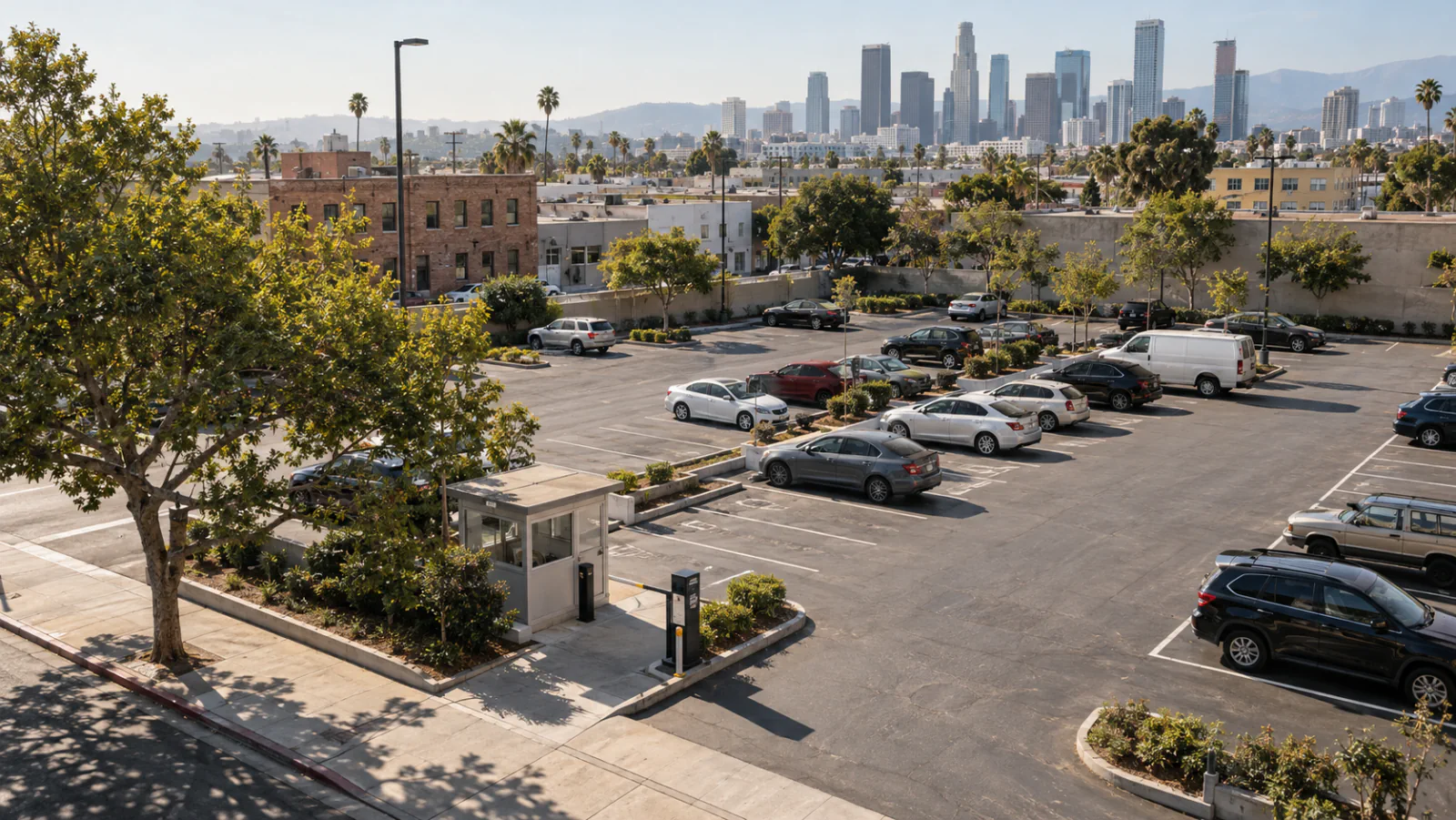
Illustrative scene · AI-created photographic illustration
The problem we focus on
Lots change all day. The picture of them rarely keeps up.
On an open paid lot or a shopping-center lot, occupancy shifts zone by zone through the day while attendants and property teams handle busy periods, short-stay and loading areas, overflow and the occasional problem. On a dealership lot, vehicles move constantly: new arrivals are checked in, units shift between display rows, service and overflow, and test drives go out and come back.
The picture most teams work from is a mix of spreadsheets, radio calls, memory and a walk down the rows. It is slow to update, hard to share and easy to get wrong, so simple questions take longer than they should, and the important exception is noticed late.
Questions we design around
- Sales floor Where is the white SUV the customer just asked about?
- Parking operations Which spaces in the north zone are open right now?
- Sales desk Which test drive has been out the longest?
- Security What happened by the back gate after close?
- Lot management Is every vehicle where we think it is?
Our approach
Principles that shape how we build.
ParkSense is designed around a few firm commitments. They guide the equipment we place on site, the software operators use and the conversations we have with every customer.
- Cameras Placed to a coverage plan
- Edge processing Video analysed on site
- Structured events Arrivals, moves, occupancy, exceptions
- Operator view Search, zone map and review queue
- Your team People decide on exceptions
-
P.01
Edge-first processing on site
Video is analysed on site, close to the cameras. What moves onward is a structured event: a vehicle arrived, a space changed state, something needs a look. The system stays responsive to the lot, and every data flow beyond the site is a deliberate, agreed choice.
-
P.02
People in the loop
ParkSense routes exceptions to a person with the context to judge them. The software shows what changed, where and when; your team decides what it means and what happens next.
-
P.03
Built around each site
No two lots share the same layout, lighting, traffic or habits. Zones, rows, camera placement and event rules are configured for the place, using the names your staff already use.
-
P.04
Careful data handling, agreed with customers
What is captured, how long it is kept, who can see it and where it is sent are defined with each customer as part of the site plan, and written down before the system goes live.
-
P.05
Plain, useful events
Events read the way operators talk: arrived, moved, departed, needs review. Each one carries the zone, time and context needed to act, in a structure that can be routed into your own processes.
Working with a new site
From first conversation to a lot that explains itself.
A practical sequence from first questions to site review. The details change with each lot, and each stage builds on the one before it.
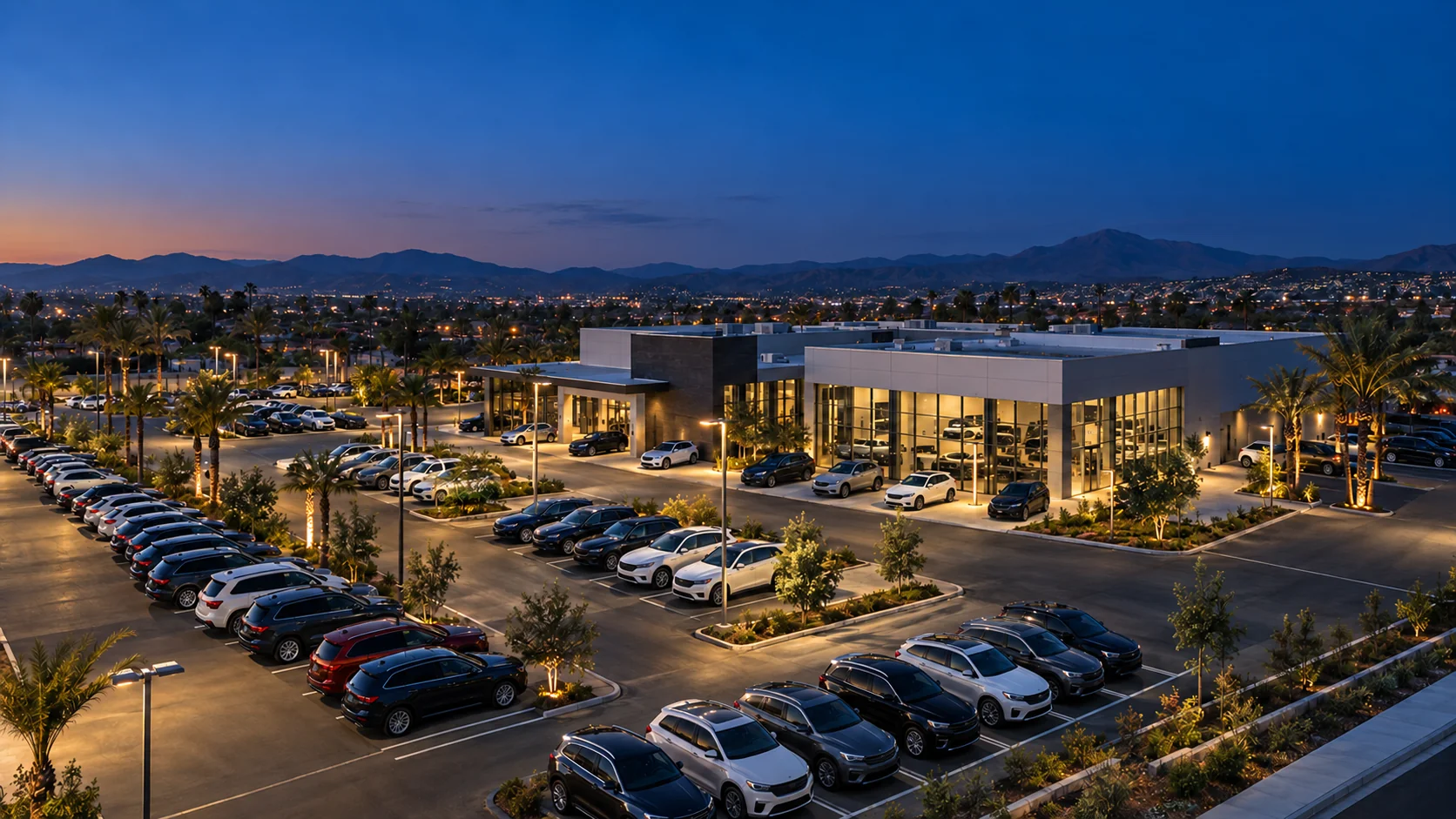
Dealership example · illustrative aerial scene with sample plan layers
-
01
Discovery conversation
We start with how your lot or facility actually runs: who needs answers, which questions cost the most time, how vehicles move through the day and what happens after hours. We agree what is in scope, and what is not.
OutcomeA written summary of goals, questions and constraints
-
02
Site walk and coverage plan
We walk the site with your team and note sightlines, mounting points, lighting, power and network. The coverage plan shows which zones and spaces each camera is meant to see, and whether existing cameras are suitable.
OutcomeCoverage plan and installation requirements
-
03
Zone map and configuration
The lot becomes a shared map of zones, rows and spaces, named the way your staff already talk about them. Event rules, review queues, access roles and retention are configured to match what was agreed for the site.
OutcomeZone map, event rules and access roles
-
04
Operation and refinement
Once the site is running, we review events with the people who use them. Zones are renamed, rules are tuned and blind spots get attention, so the picture keeps pace with the lot as it changes.
OutcomeScheduled reviews and a configuration that evolves with the site
Scope
A focused product with clear boundaries.
ParkSense is visibility, events and review workflows. It is designed to sit alongside the systems and people that already run your site.
What ParkSense does
- Keeps a shared map of zones, rows and spaces current
- Helps staff find a specific vehicle and see where it was last observed
- Turns arrivals, departures, movement and occupancy into structured events
- Routes exceptions to the person responsible for reviewing them
What stays with your team
- Payments, ticketing and enforcement, in the systems you already use
- Every decision on an exception
- Where events are routed, agreed per site
- Retention and access policies, defined with you in writing
Start with a conversation
Tell us how your lot runs today.
Share the questions your team asks every day and the places where answers take too long. We will walk through how ParkSense would fit your site.